
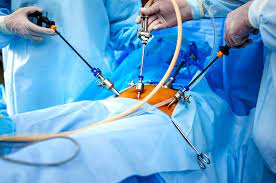
Endoscopy is the insertion of a long, thin tube directly into the body to observe an internal organ or tissue in detail. It can also be used to carry out other tasks, including imaging and minor surgery.
Endoscopies are minimally invasive and involve openings of the body such as the mouth or anus. Alternatively, they can be inserted into small incisions, for instance, in the knee or abdomen. Surgery completed through a small incision and assisted with special instruments, such as the endoscope, is called keyhole surgery.
Because modern endoscopy has relatively few risks, delivers detailed images, and is quick to carry out, it has proven incredibly useful in many areas of medicine. Today, an estimated 75 million endoscopies are carried out each year in the United States.
In this article, we will explain some of the types of endoscopy, why and how they are performed, the general procedure, and any potential risks.
Where Endoscopies are UsedEndoscopies are useful for investigating many systems within the human body; these areas include:
- Gastrointestinal tract: esophagus, stomach, duodenum, small intestine, large intestine, colon, bile duct, rectum, and anus
- Respiratory tract: nose (rhinoscopy), lower respiratory tract (bronchoscopy)
- Ear: otoscopy
- Urinary tract: cystoscopy
- Female reproductive tract: colposcopy, hysteroscopy, falloposcopy
- Small incisions: laparoscopy, arthroscopy, thoracoscopy, mediastinoscopy
Capsule endoscopy was developed in the mid-1990s and involves a wireless camera. The camera is small enough to fit into a capsule (similar to a vitamin tablet) and can be swallowed.
As the capsule travels through the digestive tract, it takes thousands of pictures, which are transmitted to a device attached to a wearable belt.
A capsule endoscopy images the small intestine, a difficult region to view using standard endoscopy. It is especially useful for examining the intestinal mucosa and diagnosing Crohn’s disease. The capsule usually passes through the digestive system within 24–48 hours.
While capsule endoscopy is a good alternative to esophagogastroduodenoscopy, limitations exist, including movement control and visualization quality. To improve outcomes, magnetic manipulation is used.